
Metal turnery
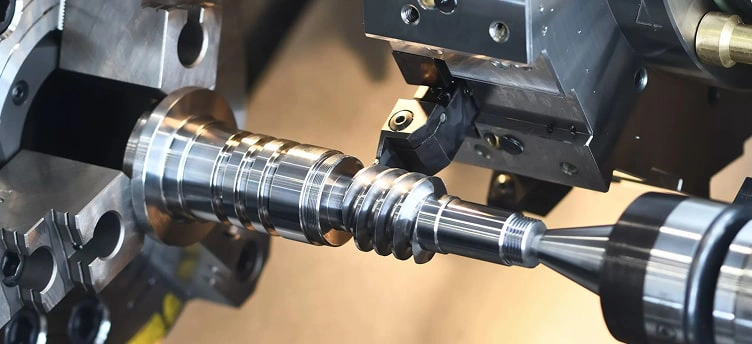
Machining of metal parts using special equipment, i.e. turning workstation. The main objective is to give the workpiece the desired shape, size, and surface roughness.
Types
Some types of metal turning:
Turning
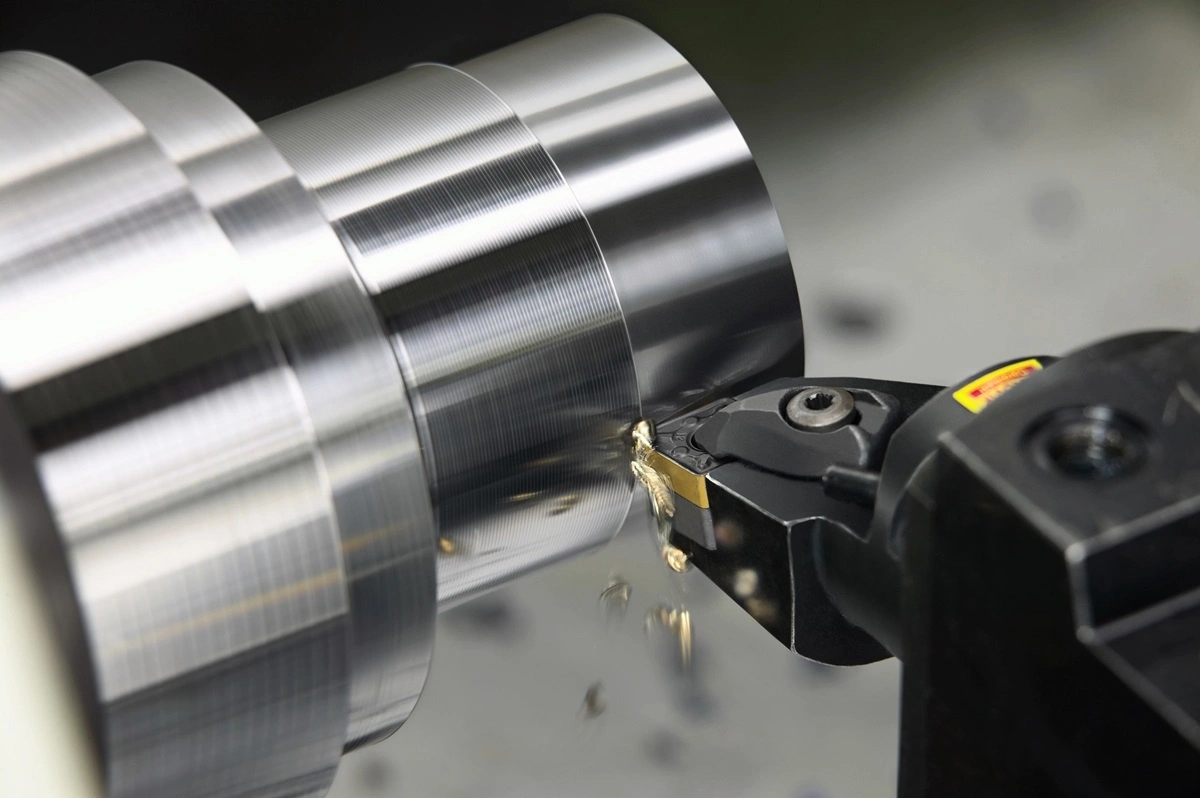
Removing a layer from the surface of a rotating workpiece using a cutter. External turning: on the outer surface of the part, internal turning: inside holes or cavities.
Pruning
Machining the ends of the workpiece to create smooth and flat surfaces perpendicular to the axis of rotation.
Threading
The outer thread is cut on the outer surface of the workpiece, the inner thread is cut inside the holes.
Drilling and countersinking
Creation and processing of holes in workpieces.
Boring
Increase in the diameter of existing holes or giving them an exact shape.
Equipment
Various turning workstations are used for metal turning.
For example:
- Classic workstations: for basic manual operations.
- Workstations with numerical control (NC): process automation, high precision. and repeatability of operations.
- Multipurpose workstations: provide not only turning, but also milling, drilling, and thread cutting operations.
Process engineering
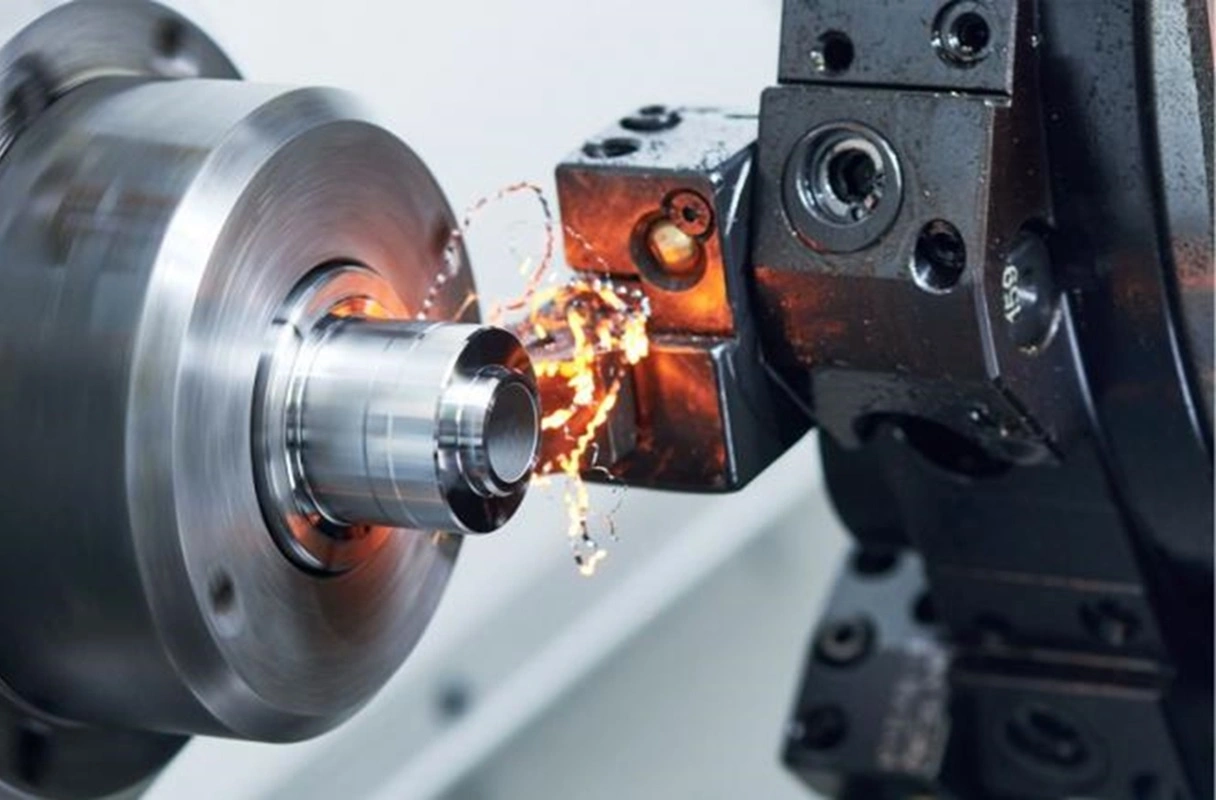
The turning involves a combination of two movements:
- Rotation of the workpiece is the main movement.
- Advancing a working tool along the axis of rotation, i.e. feed.
Key specifications are cutting speed, feed rate, and cutting depth. Correct specifications calculation affects accuracy, surface cleanliness, and tool wear.
Please write to us if you have any questions.
The company's managers are ready to help you choose the best solutions and provide advice on all matters of interest.
