
Metal cold forming
Metal workpieces forming under high pressure without heating, chemical, or other treatment. The shape is pressed onto the metal surface using special stamps.
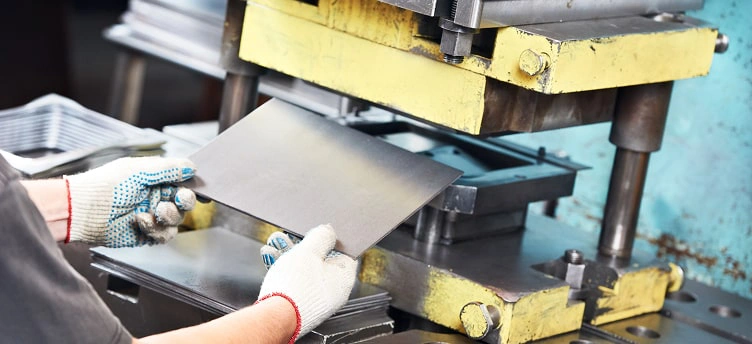
Characteristic properties
- High-accuracy manufacture of products with complex geometry.
- Such products require virtually no additional surface treatment.
- This method is suitable for working with both soft, malleable high-ductile alloys and hard steels.
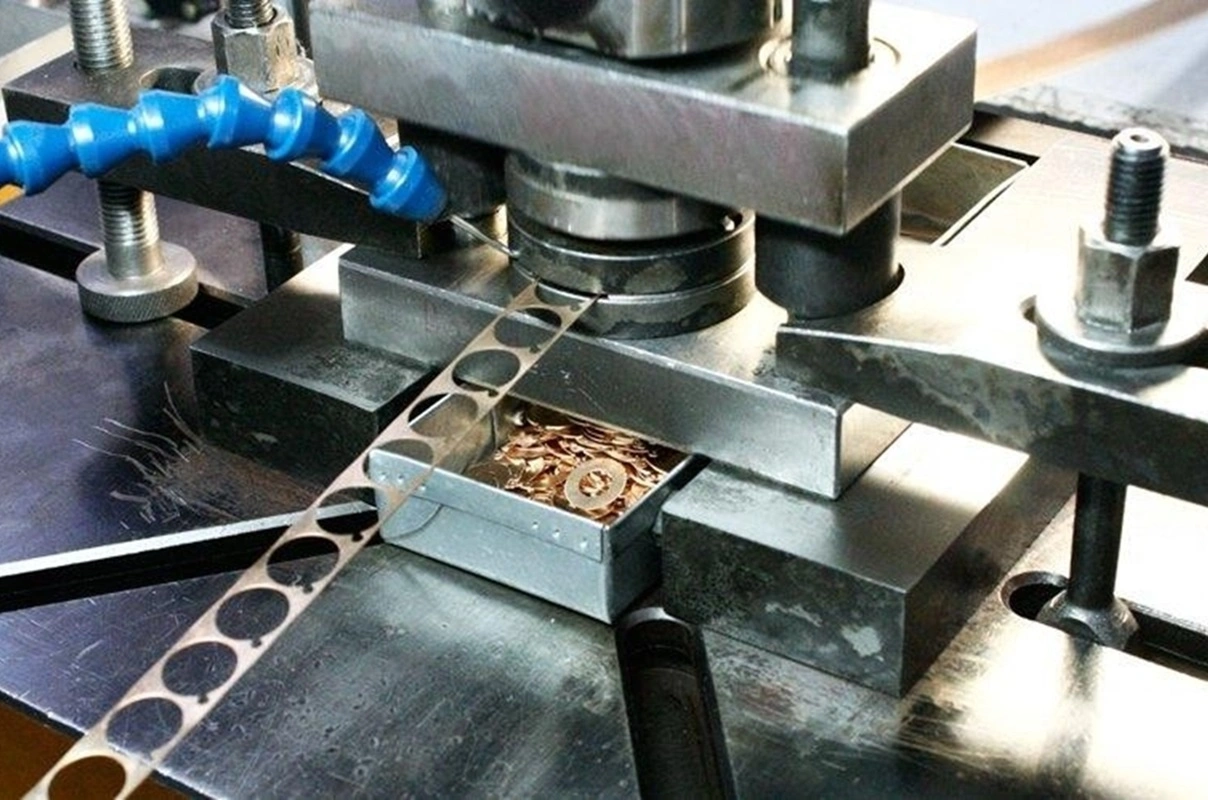
Types
- Bulk forming is forming of products with complex geometric shapes from flat workpieces. The parameters are differently changed while forming a relief with recesses and protrusions of varying depths.
- Sheet forming is a cold stamping technology for sheet metal, when the thickness of the metal remains unchanged.
Process engineering
- Preparation of the workpiece: selection of a suitable material and its shape.
- Die design: creation of a die to precisely match the required parameters.
- Die manufacture: dies are manufactured using high-precision technologies (mechanical processing, electric erosion machining, etc.).
- Die molding: the workpiece is placed in the press and formed under pressure. It is important to control pressure and speed to avoid damaging the material.
- Post-processing: after the cold forming, additional processing such as grinding, polishing, or coating with protective agents may be required.

Depending on the method of workpiece formimg, there are:
- Extrusion: manufacturing a part by using a die to shape sheet metal or a workpiece into a complex form.
- Upset: forming a prototype product by subjecting it to repeated impact loads.
- Bulk forming: the workpiece is pressed from different sides to take the desired shape.
Please write to us if you have any questions.
The company's managers are ready to help you choose the best solutions and provide advice on all matters of interest.
