
Metal bending
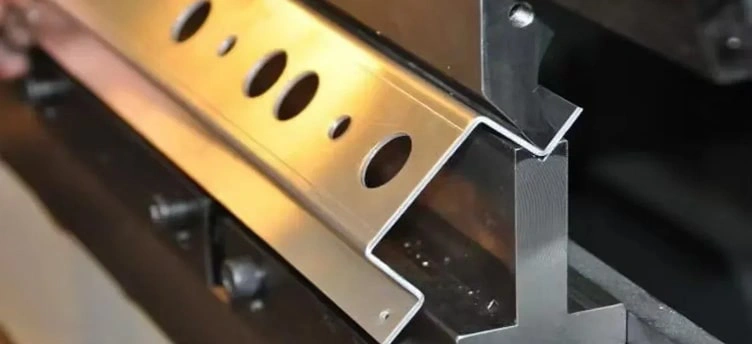
A technological plastic deformation when a flat metal sheet or profile takes a specific shape under forces. When bended, the metal changes its geometry, but its integrity is preserved. This ensures high strength of the finished product.
Types
Some types of metal bending:
By technique:
- Manual bending: suitable for small workpieces or piece production.
- Mechanical (automatic) bending: used in large-scale production to process large batches or solid parts.
By deformation:
- Longitudinal bending: simple bending of a workpiece along a single axis (to make profiles, angles, or channels).
- Transverse bending: combines bending, stretching, and forming, and is suitable for parts with complex geometries, such as housings or intricate structures.
By temperature:
- Cold bending: the most common method for thin sheets without heating.
- Hot bending: used for thick workpieces or complex profiles, where heating increases the plasticity while reducing the risk of cracks.
Tools
For metal bending, special equipment is used. For instance:
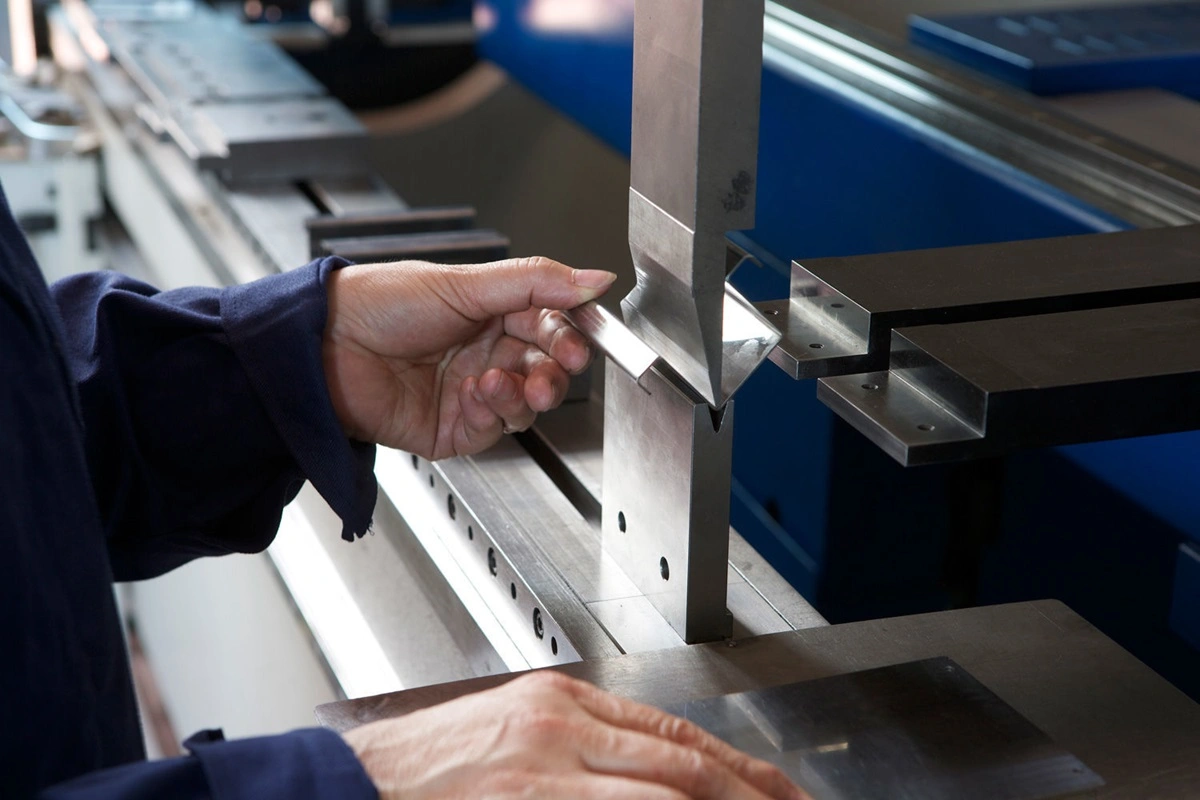
- Sheet-bending press: the workpiece is placed on the die (lower part of the machine) and pressed by the punch (upper tool), which presses on the metal and bends it at the required angle.
- Plate rolling machine: three rotating rolls between which a sheet is rolled with gradually bending into an arc or ring.
- Pipe benders: manual or hydraulic machines with rollers that bend pipes neatly without breaking.
Please write to us if you have any questions.
The company's managers are ready to help you choose the best solutions and provide advice on all matters of interest.
